


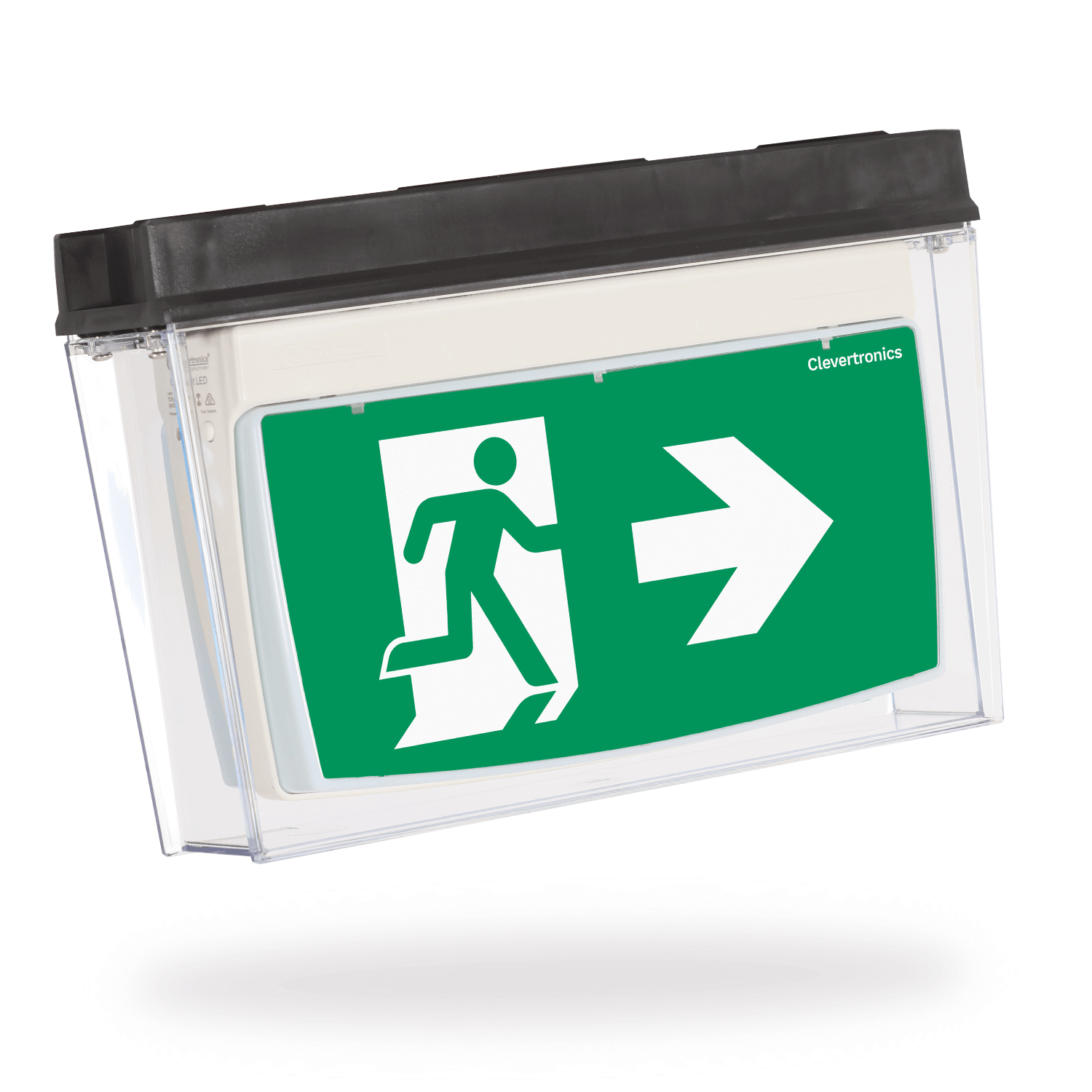
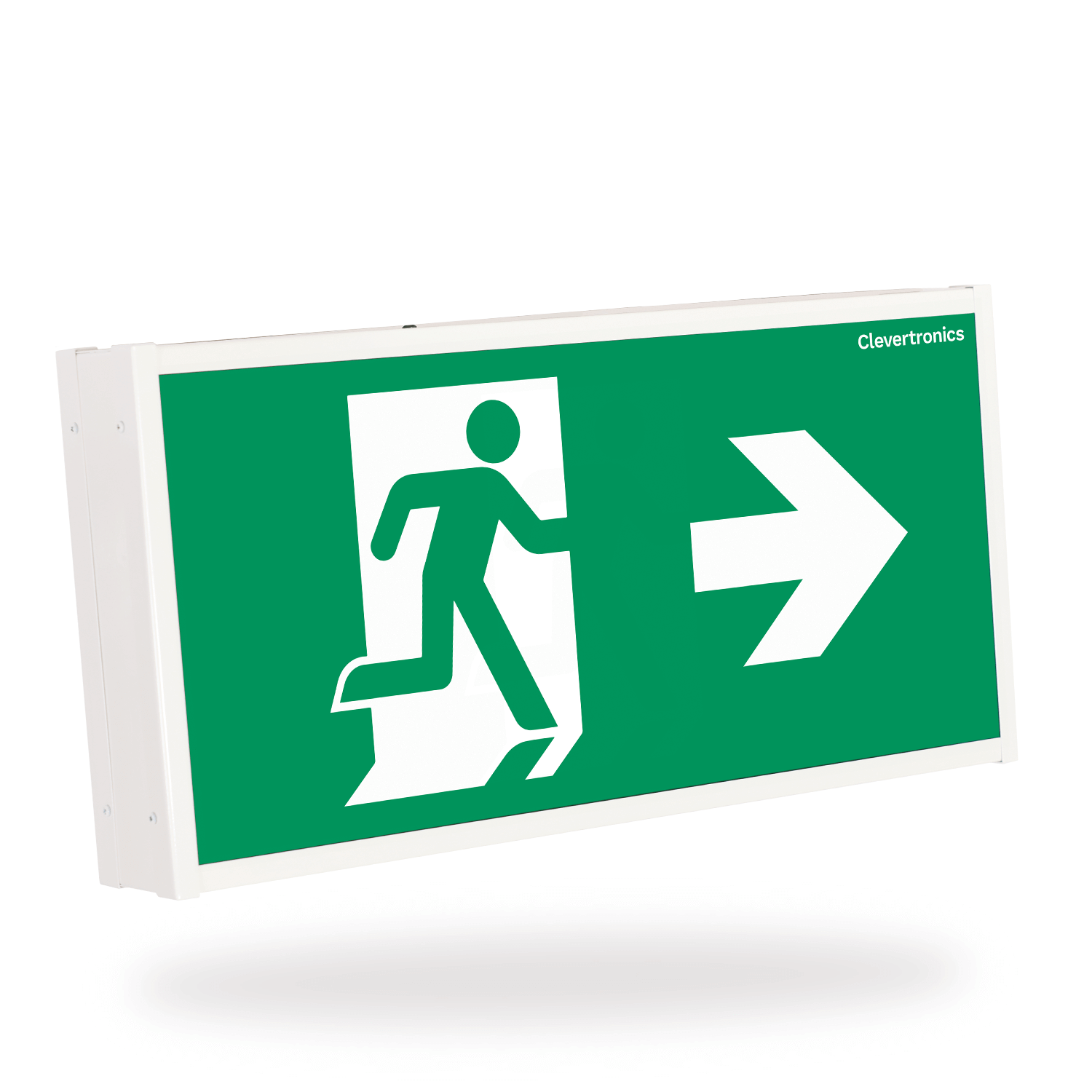
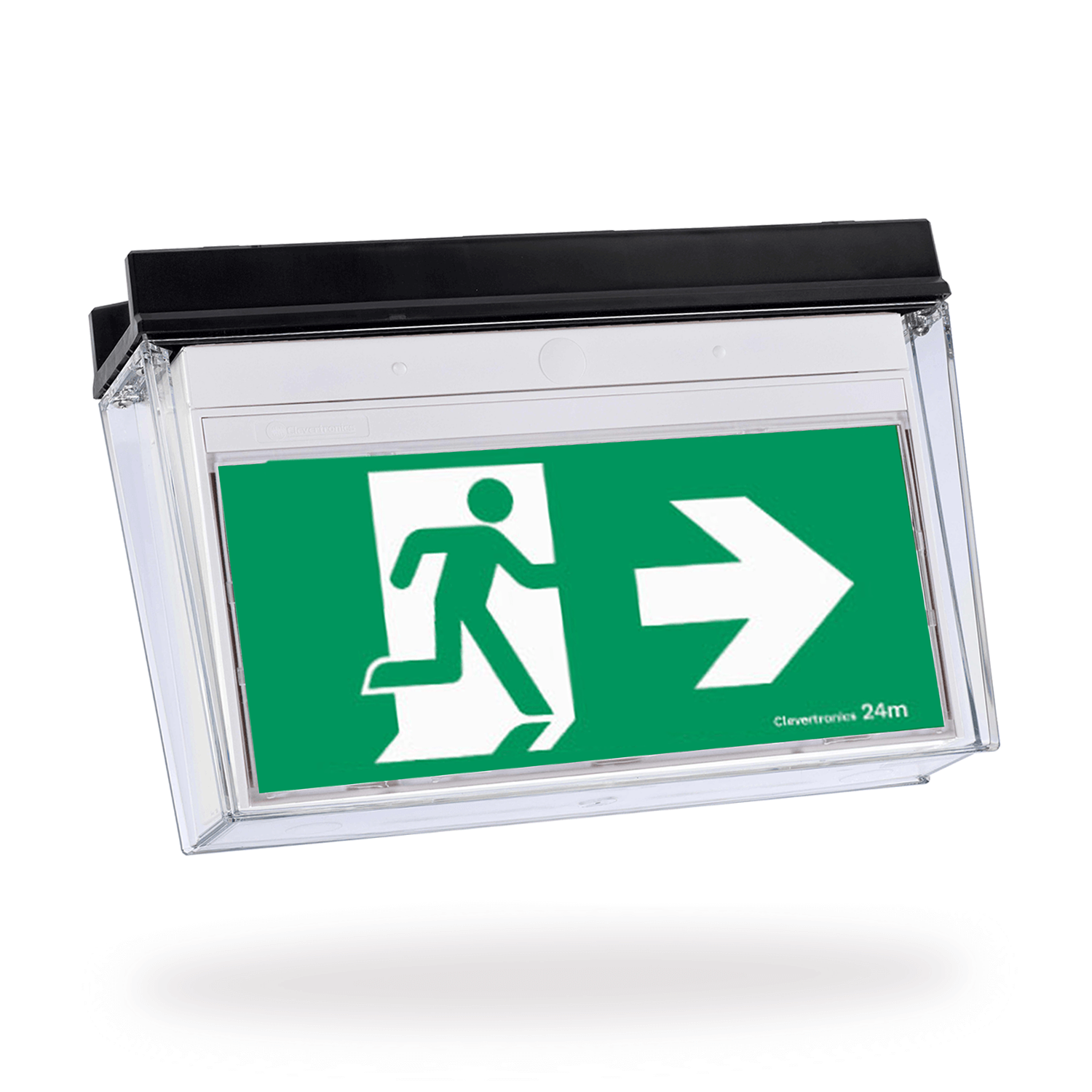
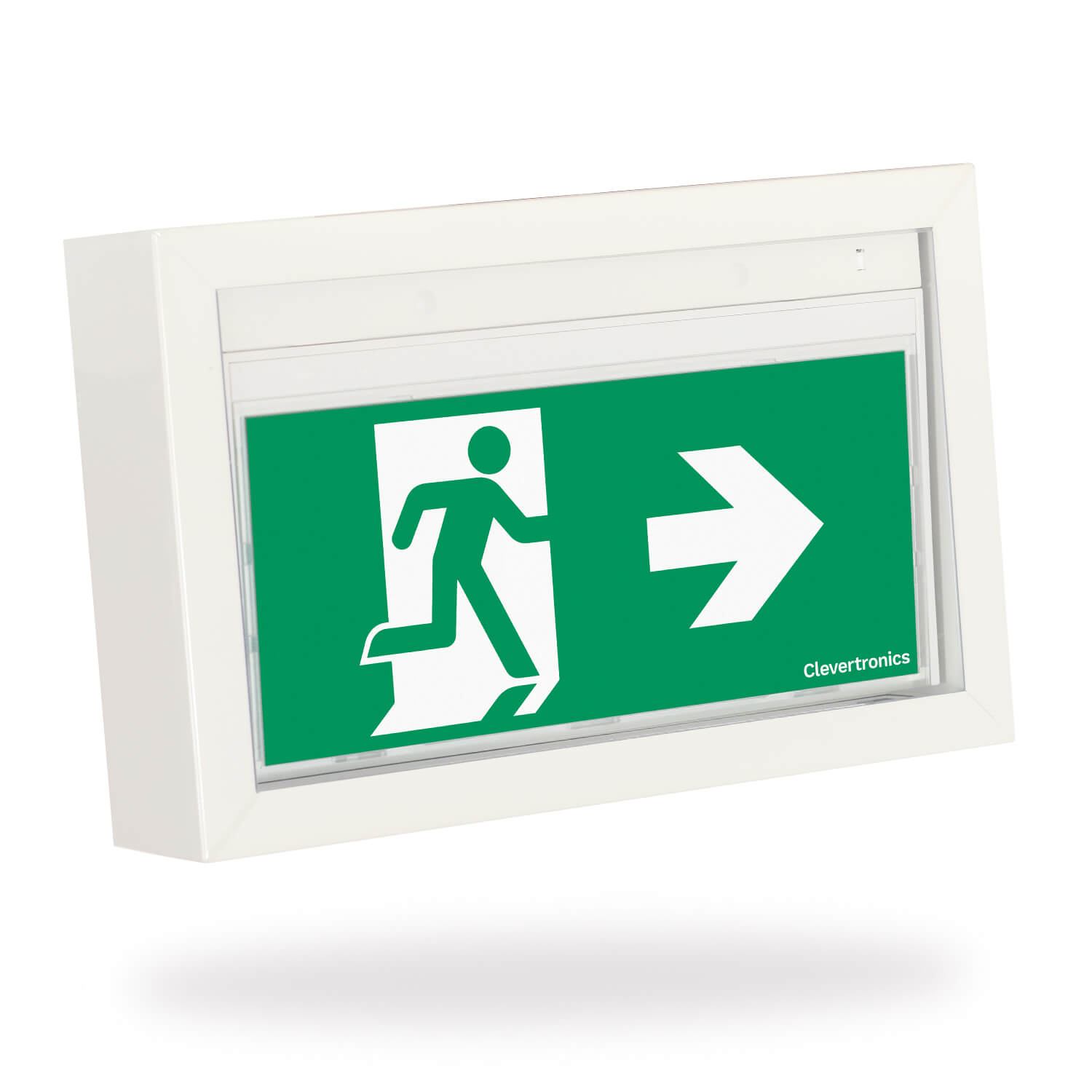









Simplifying emergency lighting compliance in a Grade I listed building
A modern emergency lighting upgrade designed to simplify testing, reporting and ongoing compliance management within one of Shrewsbury's most significant historic buildings
Overview
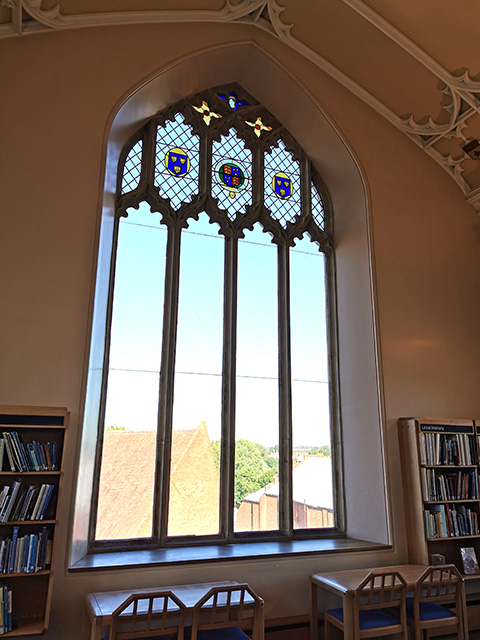
Housed within a Grade I listed building dating from the late 16th and early 17th centuries, Shrewsbury Library is one of the town’s most historically significant public buildings. The site is closely associated with Charles Darwin, who attended Shrewsbury School when it occupied the building, and continues to serve as an important community resource today.
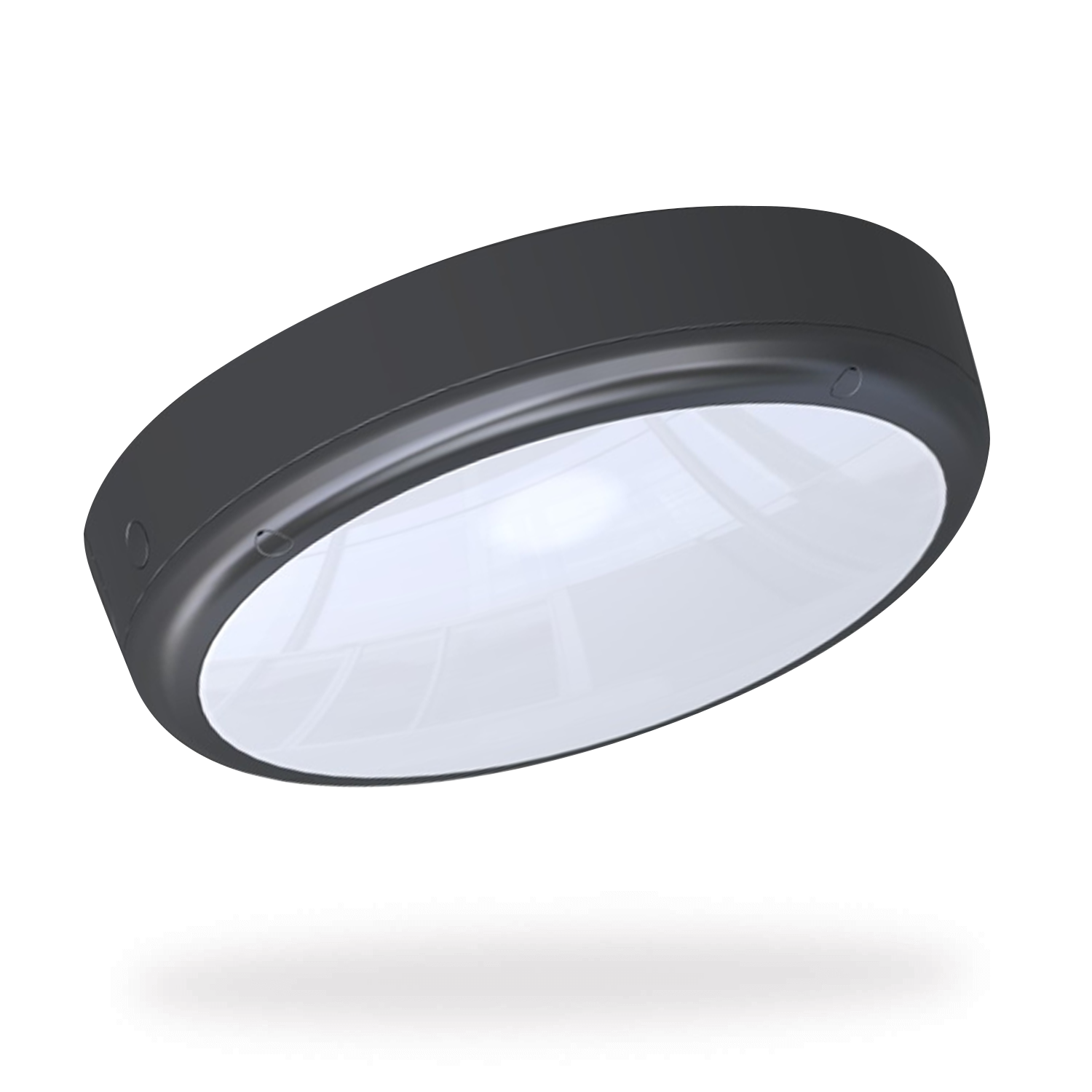
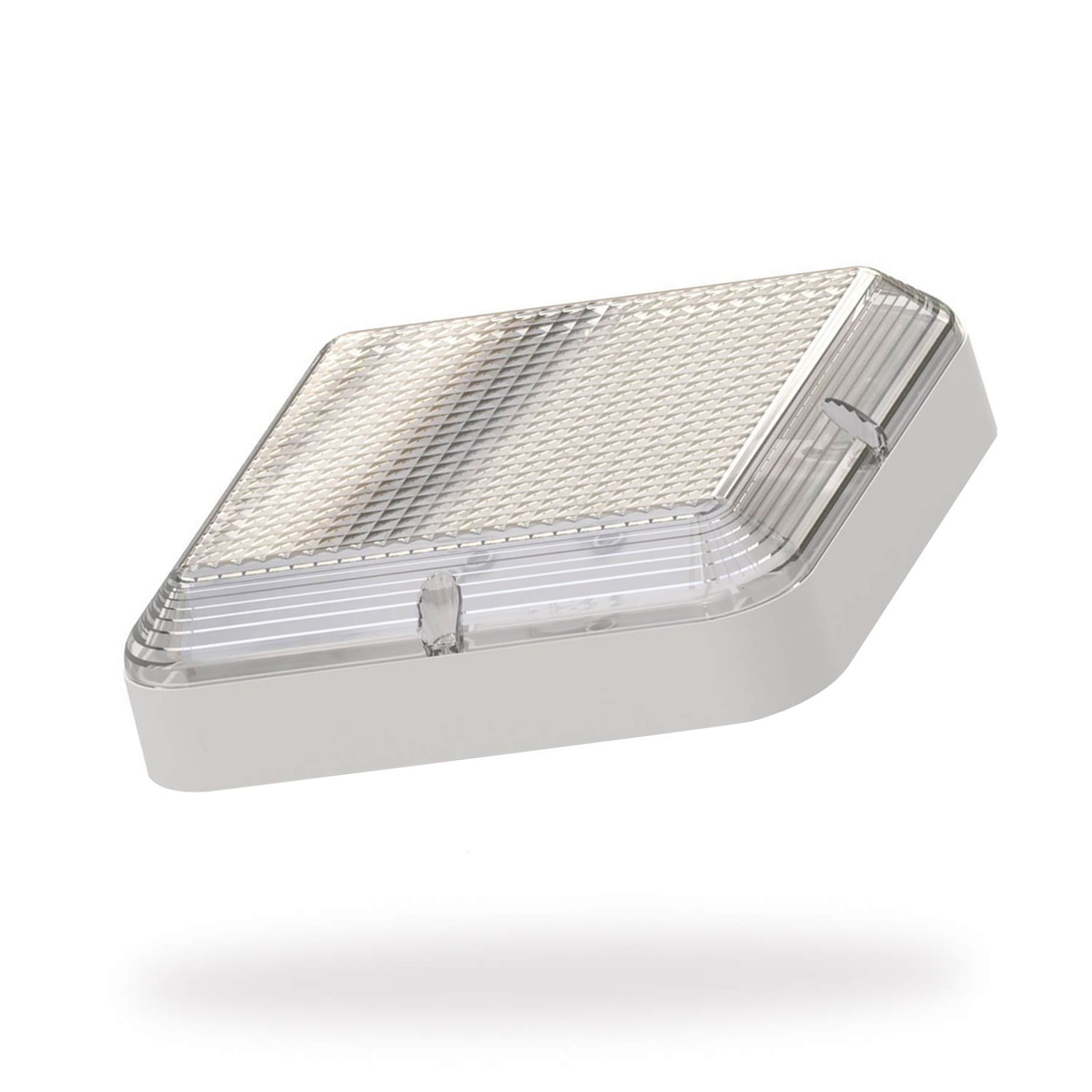
Completed earlier this year, the emergency lighting upgrade required a modern solution capable of meeting current UK compliance requirements while respecting the constraints of a heritage environment. Specified and designed by Paul Spencer of Property Services Group (PSG), and installed by local electrical contractor, RMW Electrical Services. The project focused on simplifying ongoing compliance management through a connected and centrally monitored emergency lighting system.
Challenges
The existing emergency lighting installation had evolved over time and consisted of a mixture of central battery systems and self contained luminaires. While functional, the system presented challenges for ongoing maintenance, testing and compliance management.
Routine testing was dependent on detailed building knowledge, requiring staff to locate test key switches or isolate circuits to verify operation. The process was labour intensive and time consuming, increasing the resources required to maintain compliance across the site.
At the same time, the project team needed to address the requirements of BS5266 Part 1-2025 while ensuring effective integration with the building’s fire alarm system in accordance with BS5839 Part 1. Delivering this within a Grade I listed structure added further complexity, particularly in areas where invasive installation methods were not desirable.
Solution Implementation
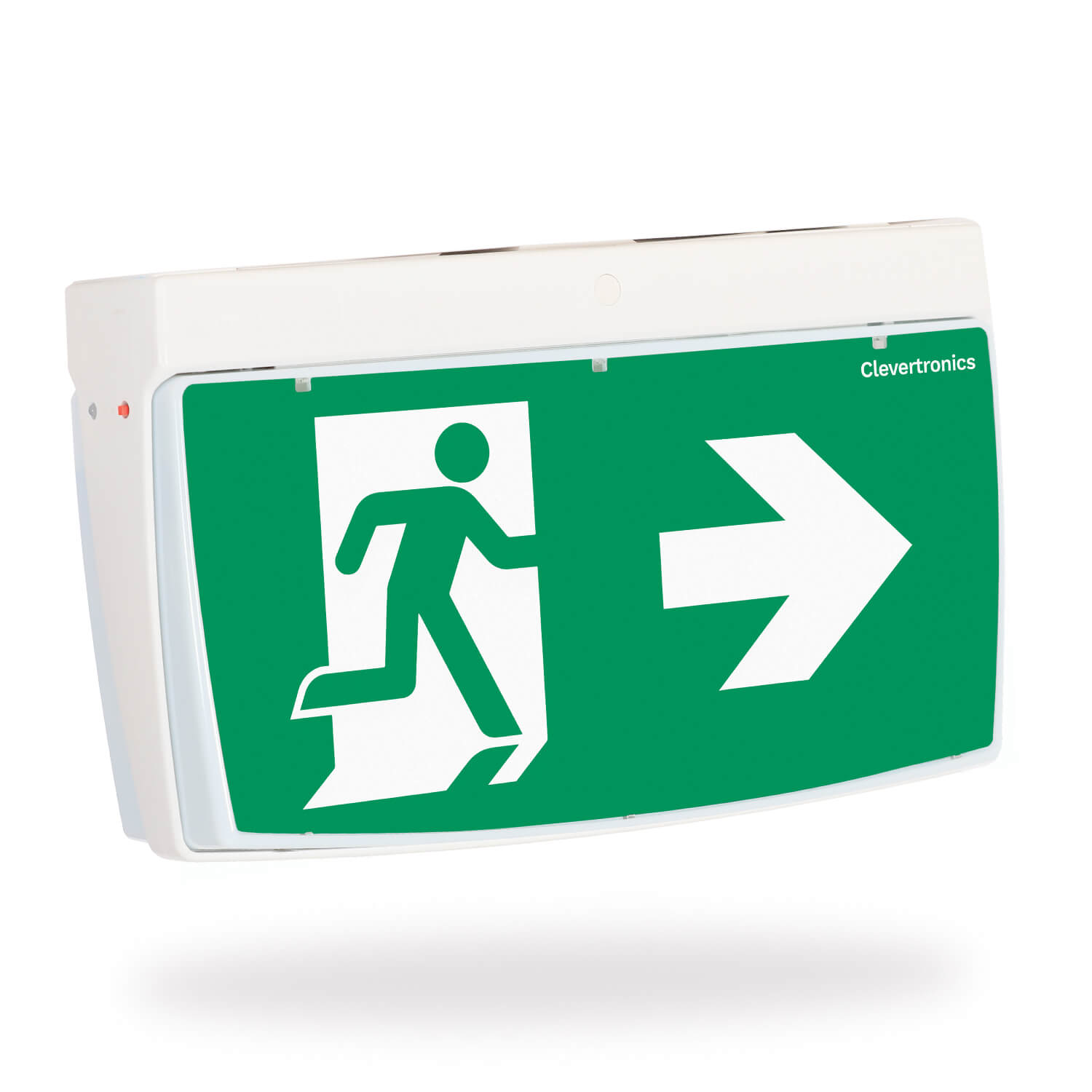
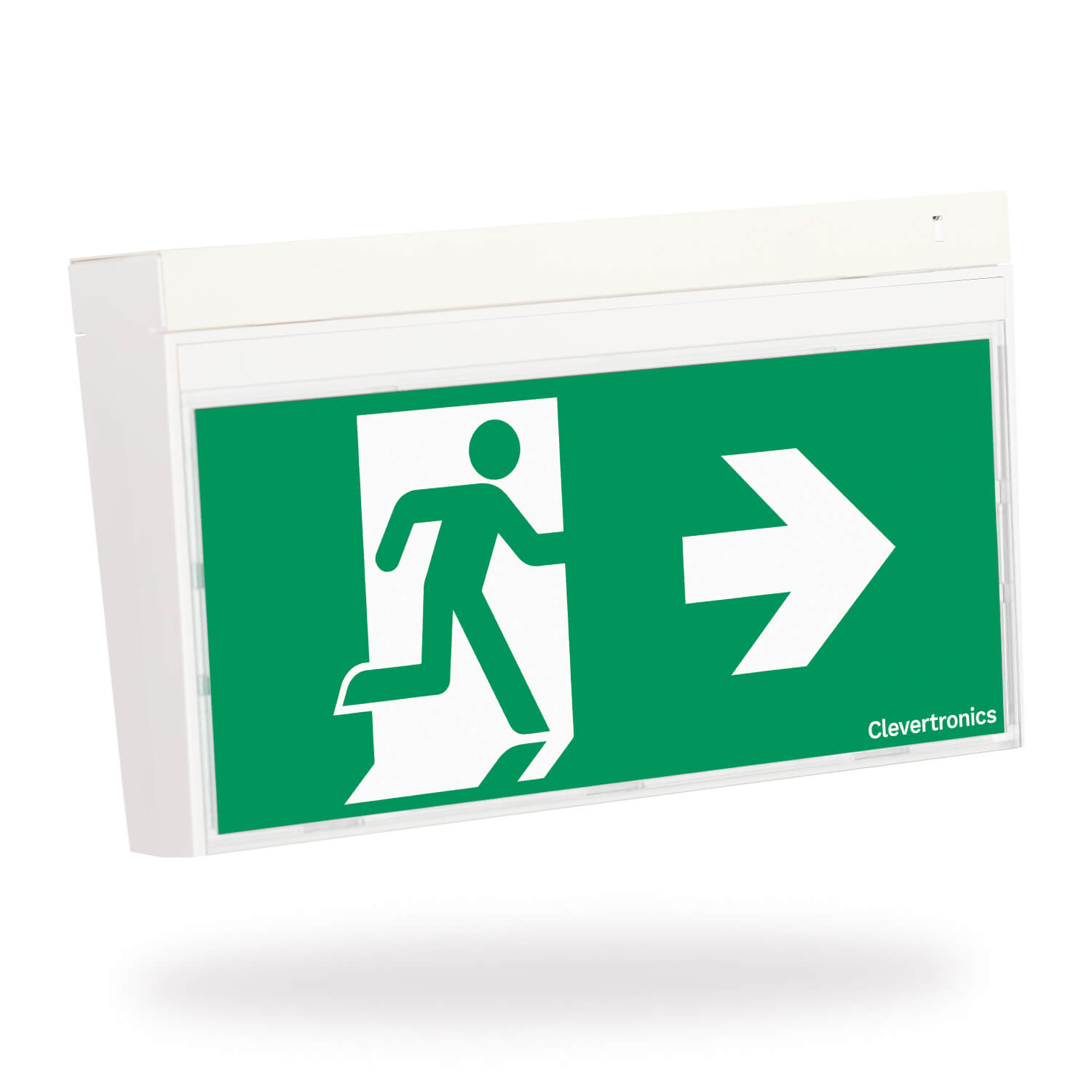
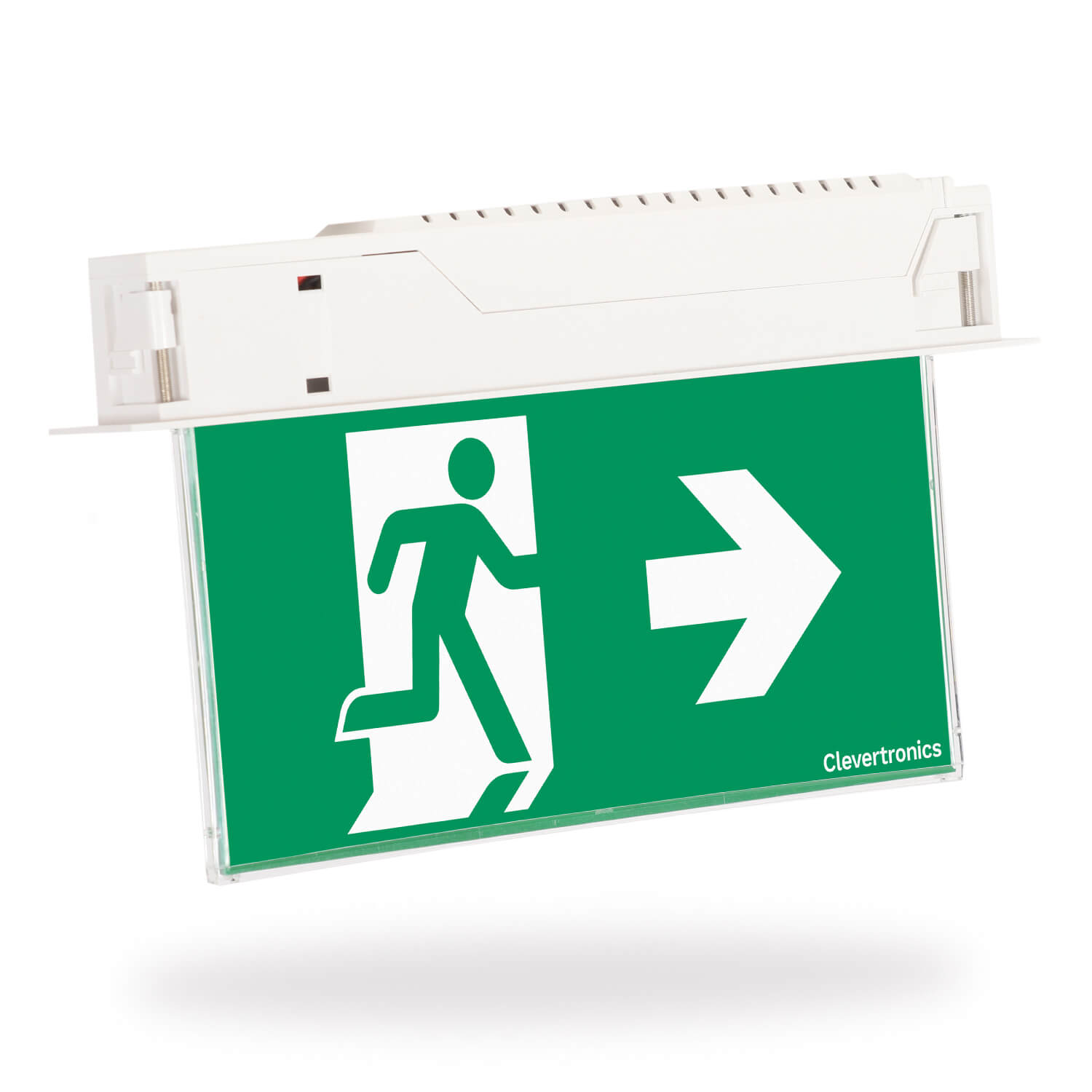
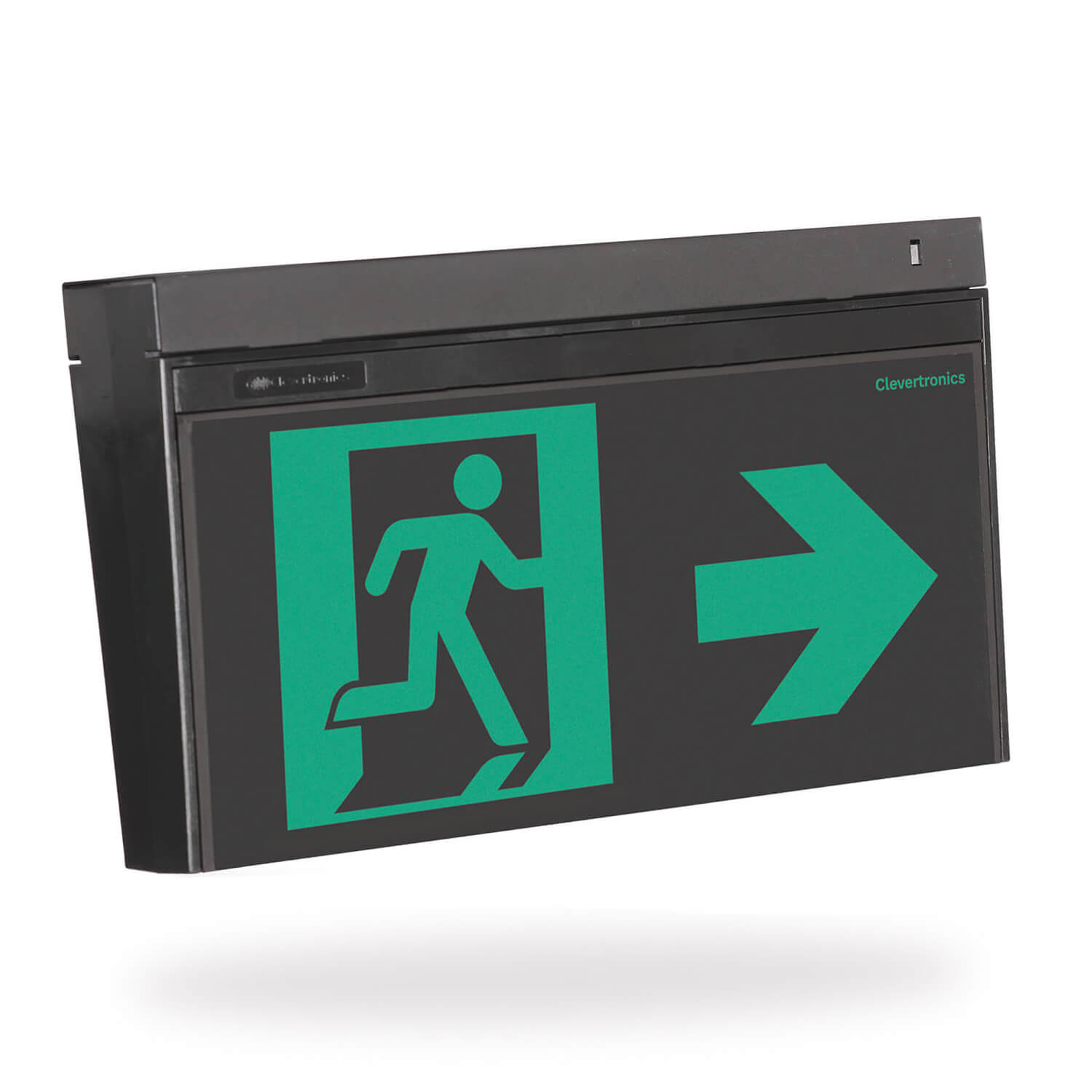
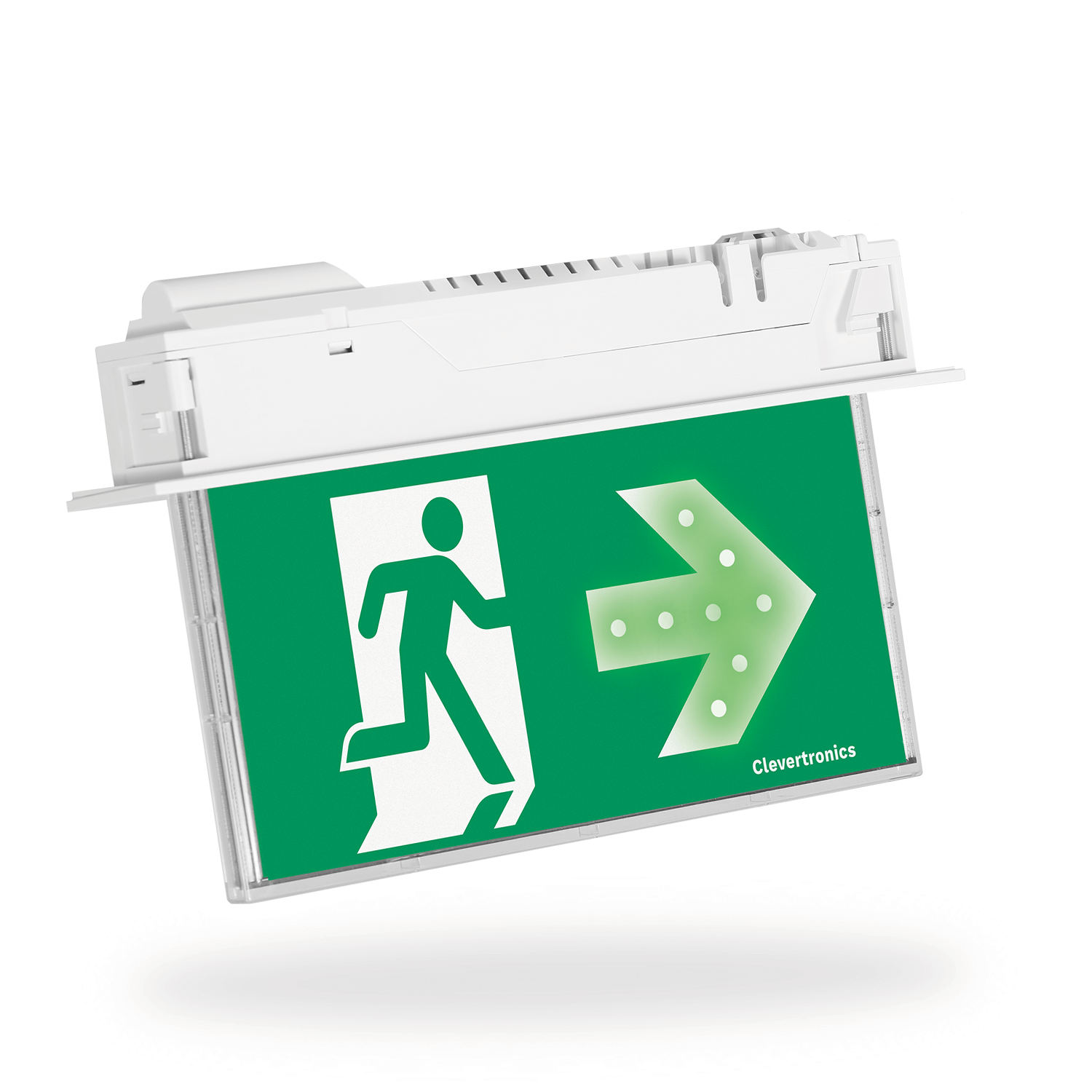
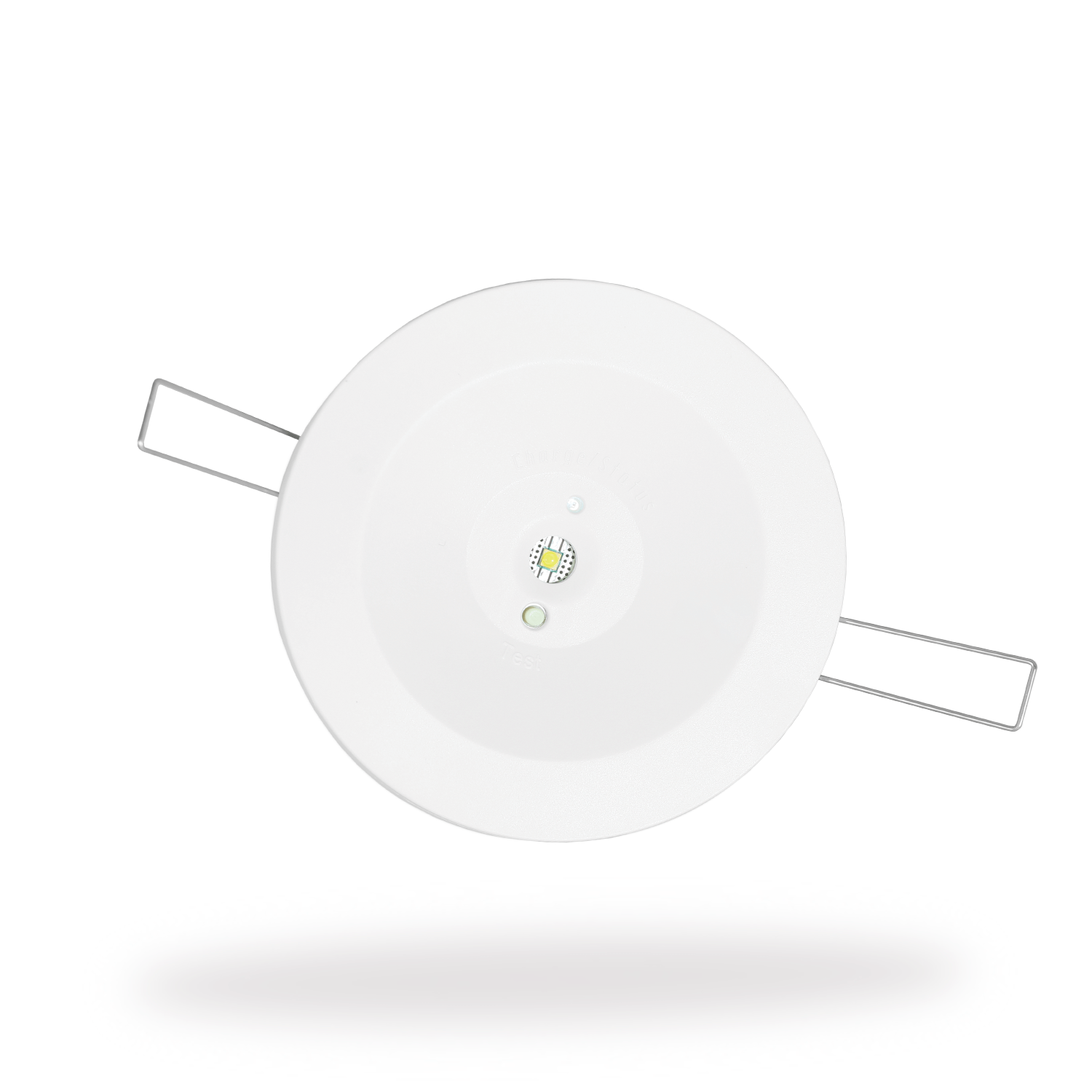
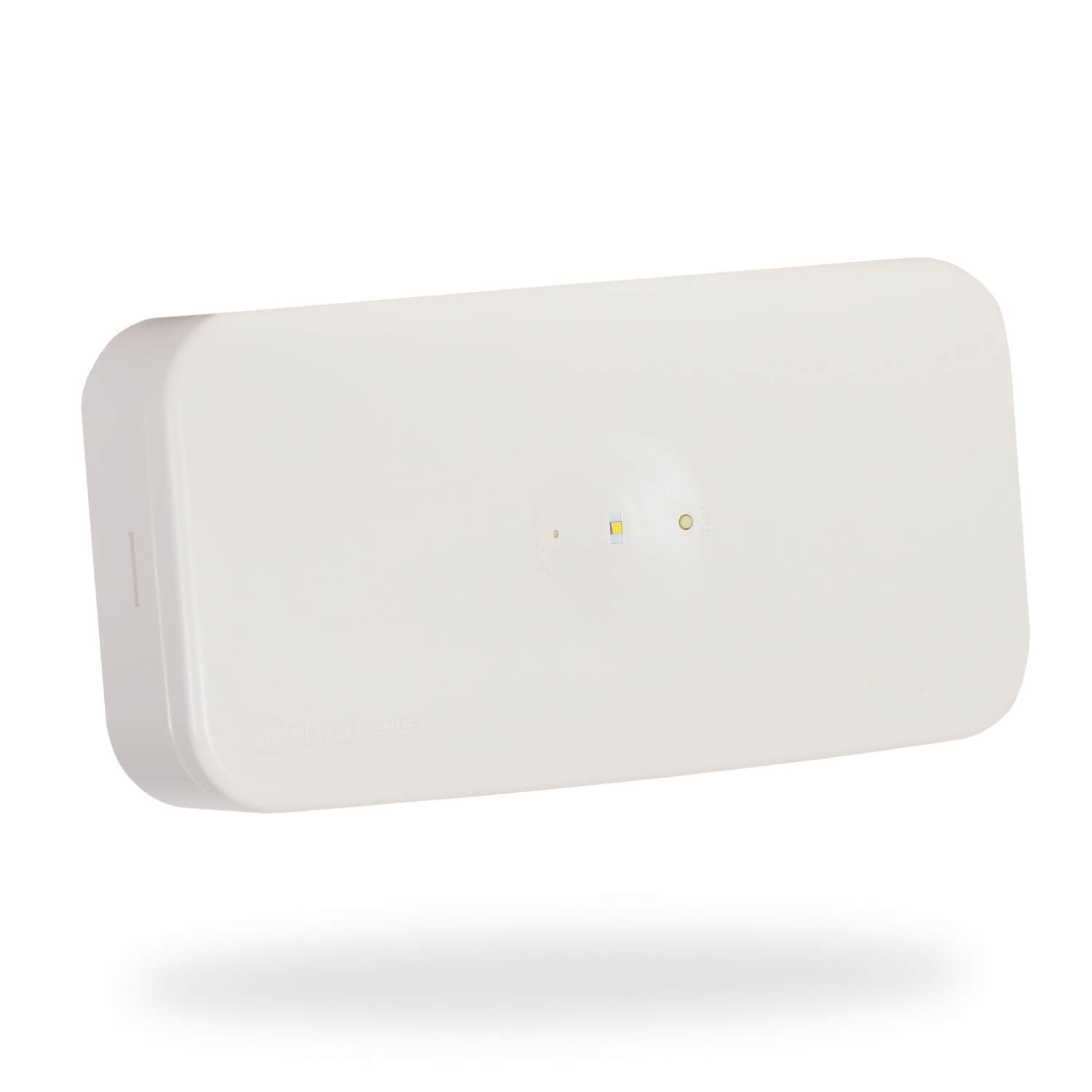
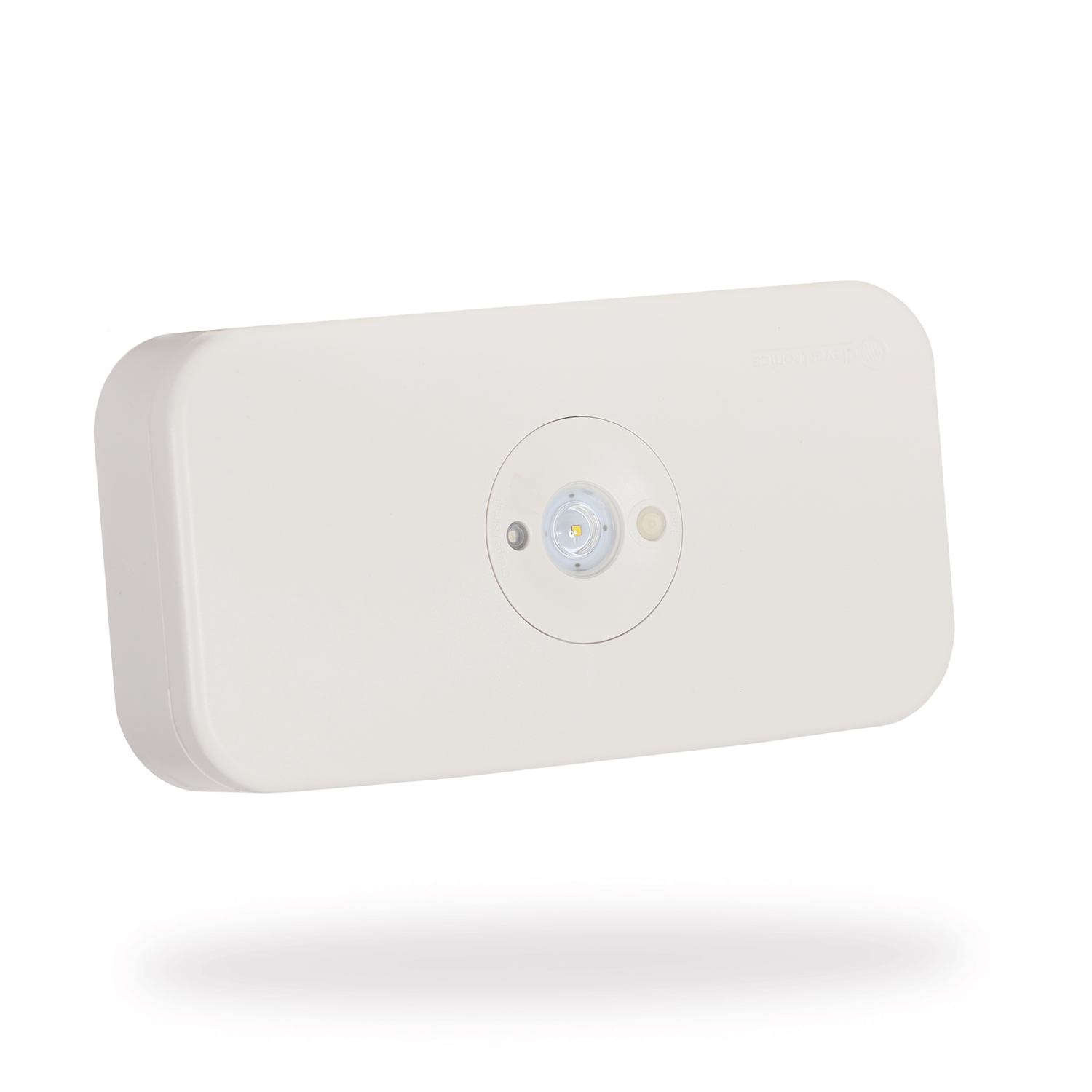
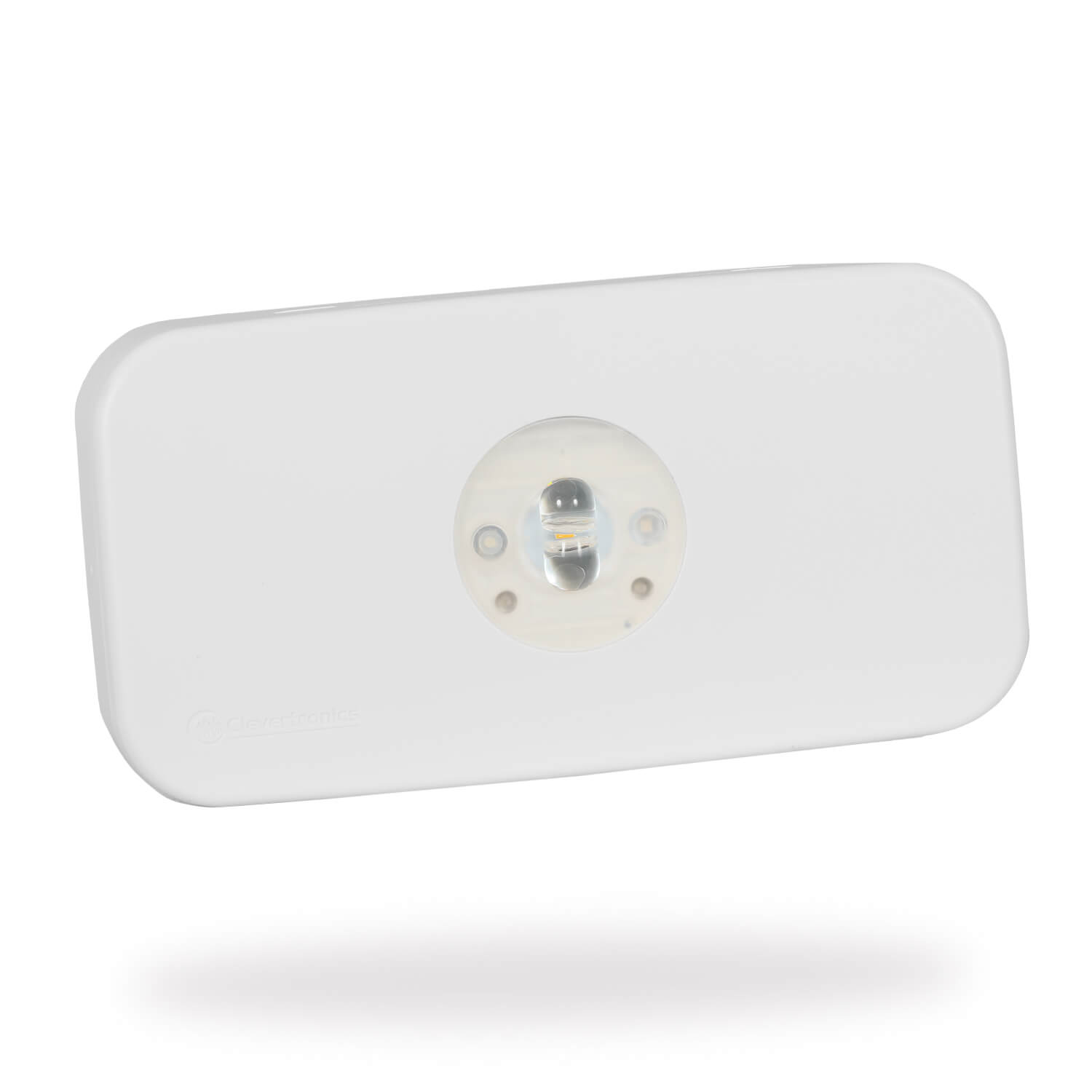
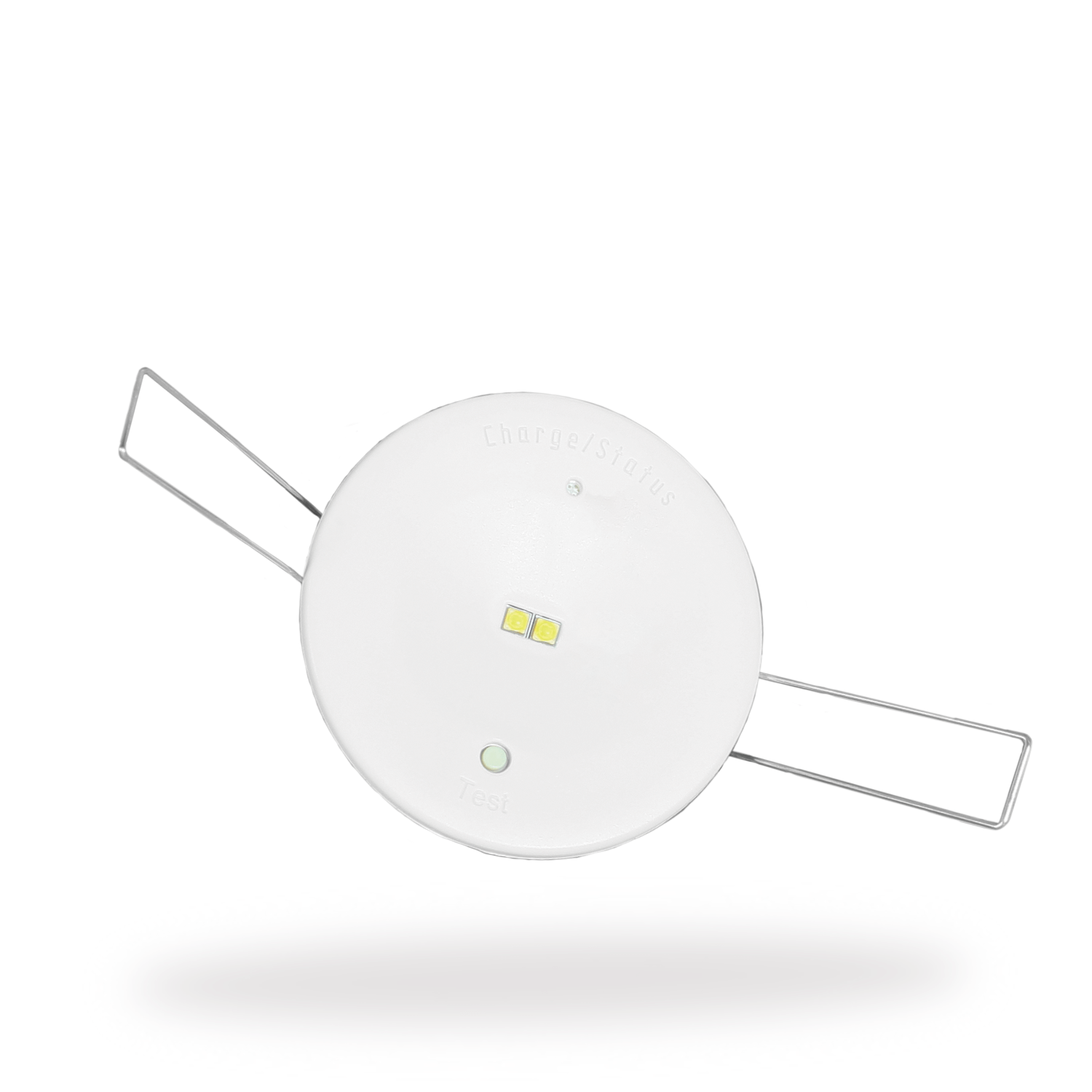
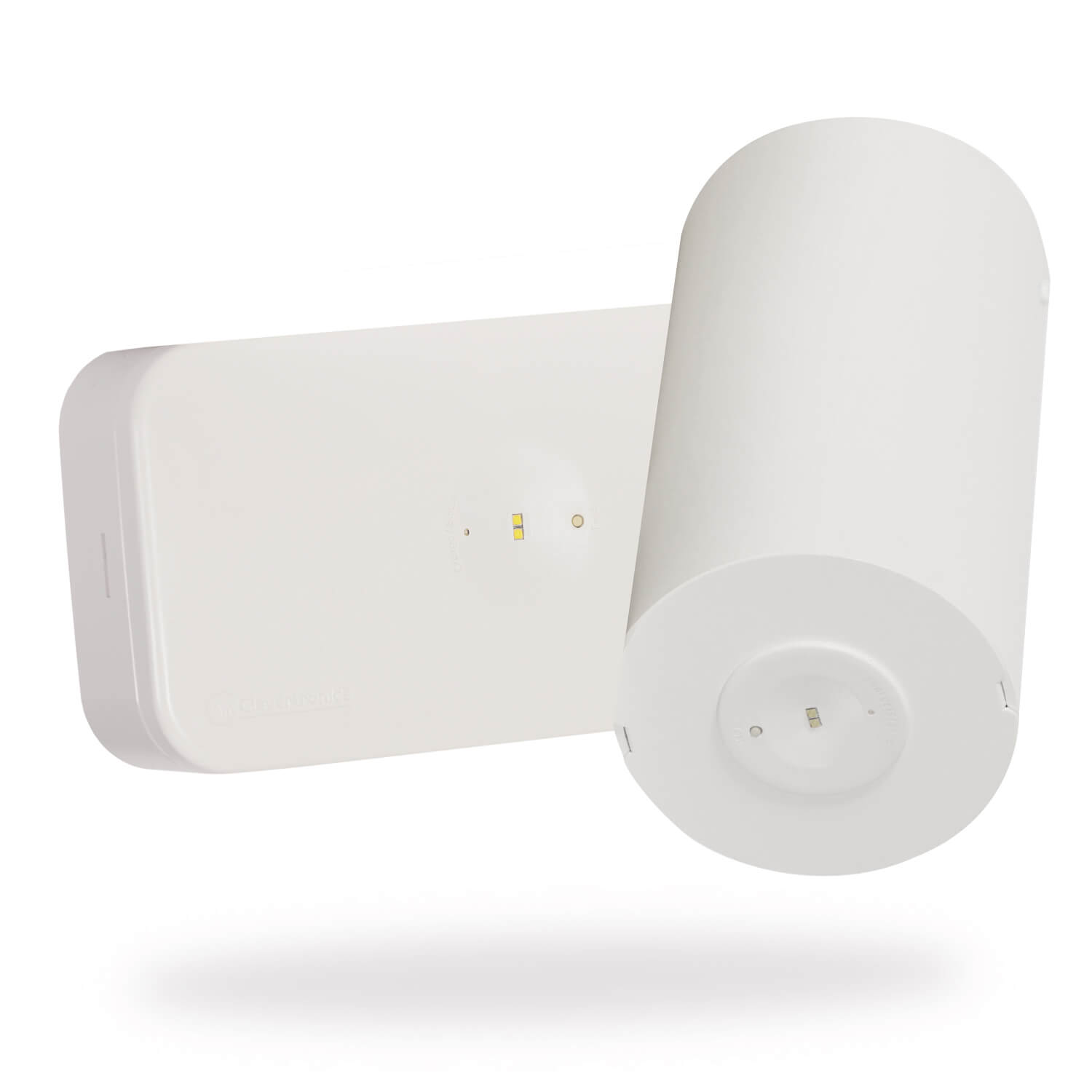
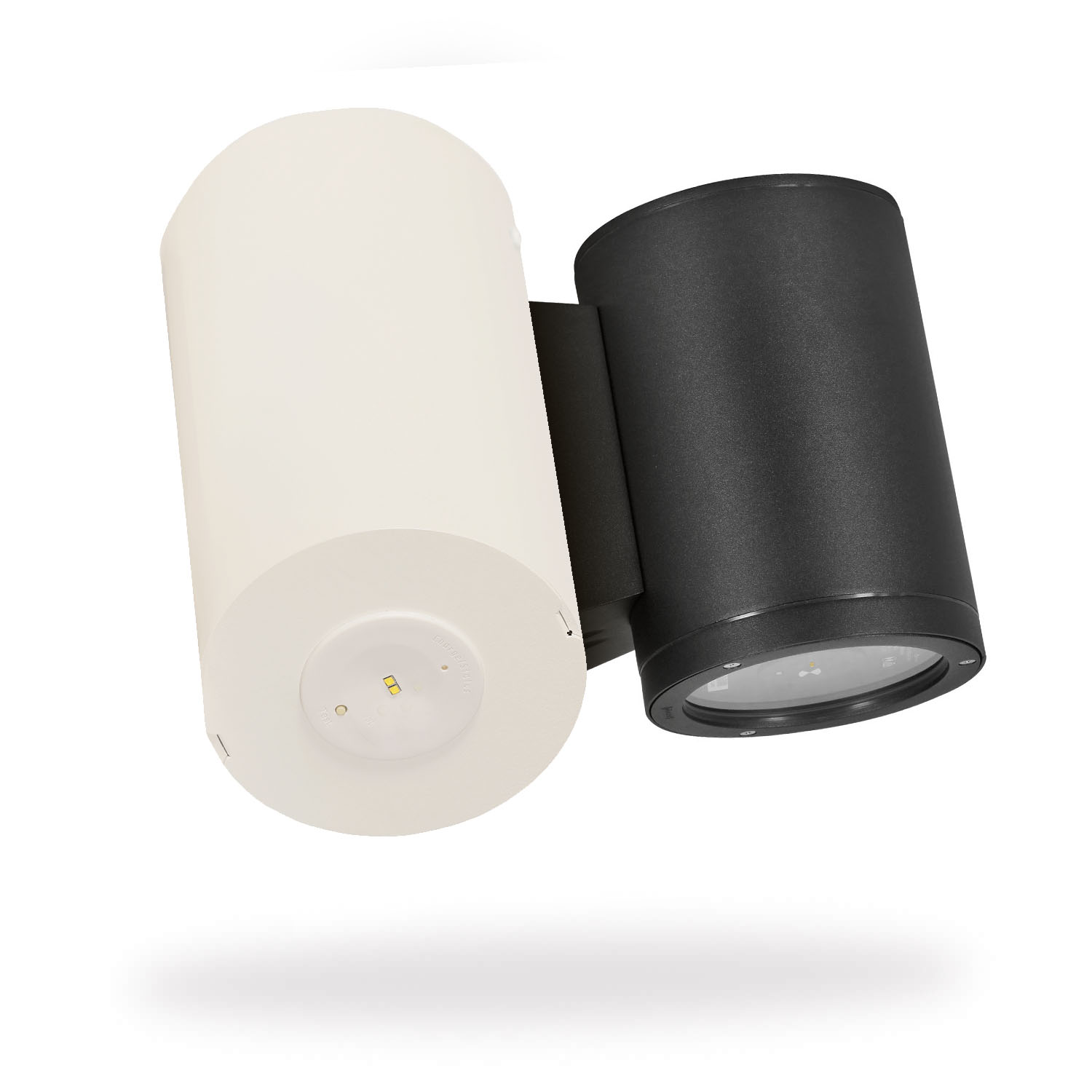
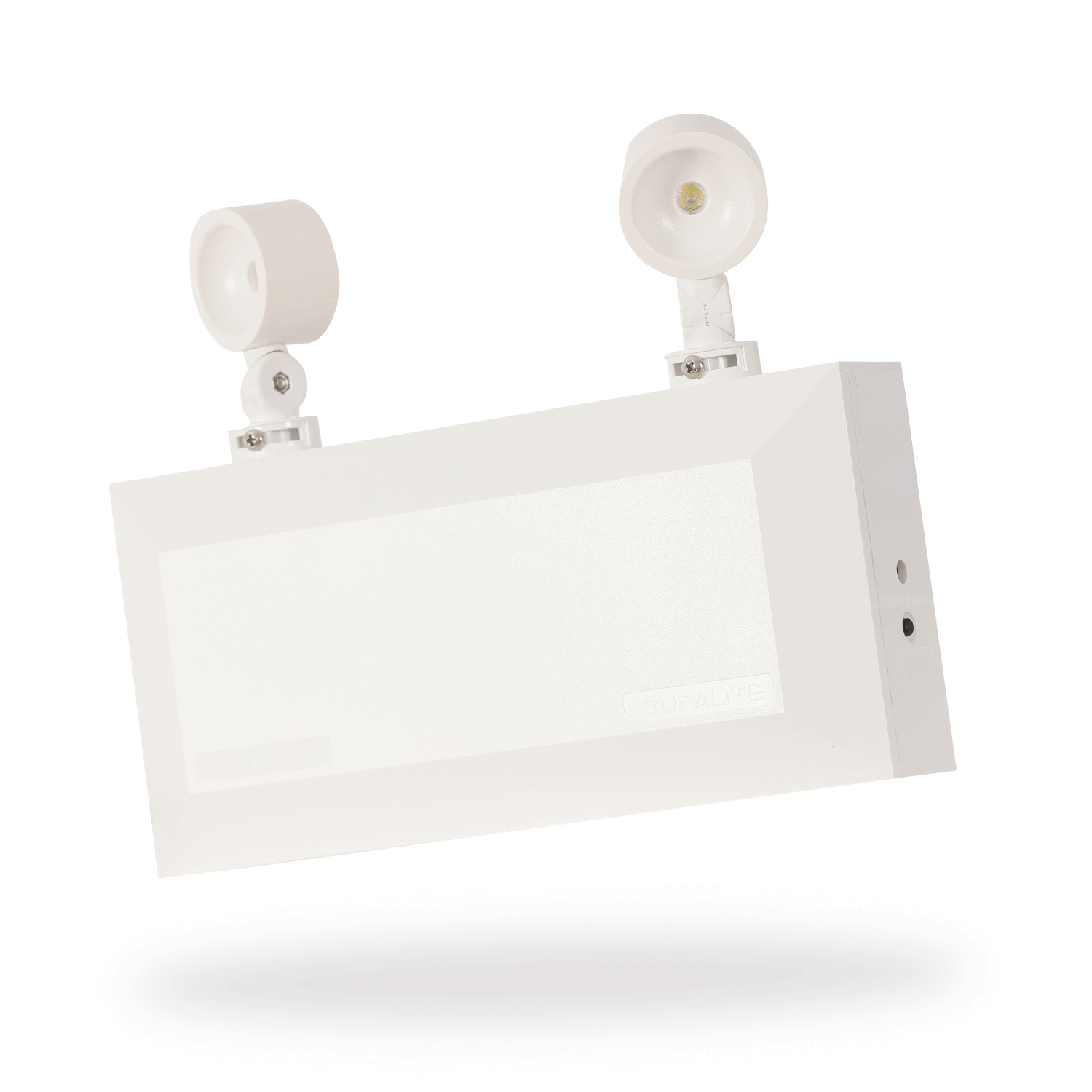
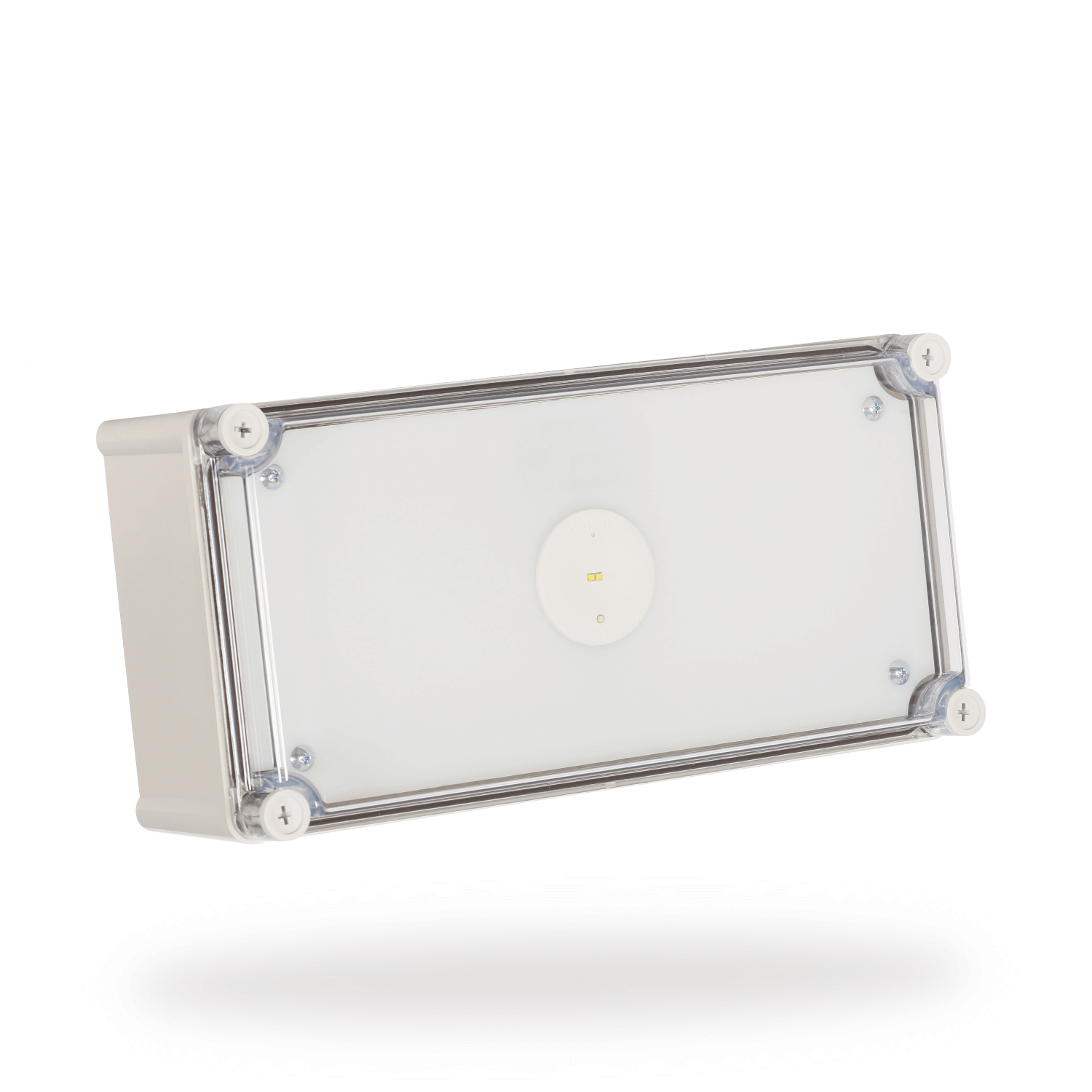
Working closely with PSG, a Clevertronics solution was developed to modernise the emergency lighting infrastructure while minimising disruption to the building fabric.
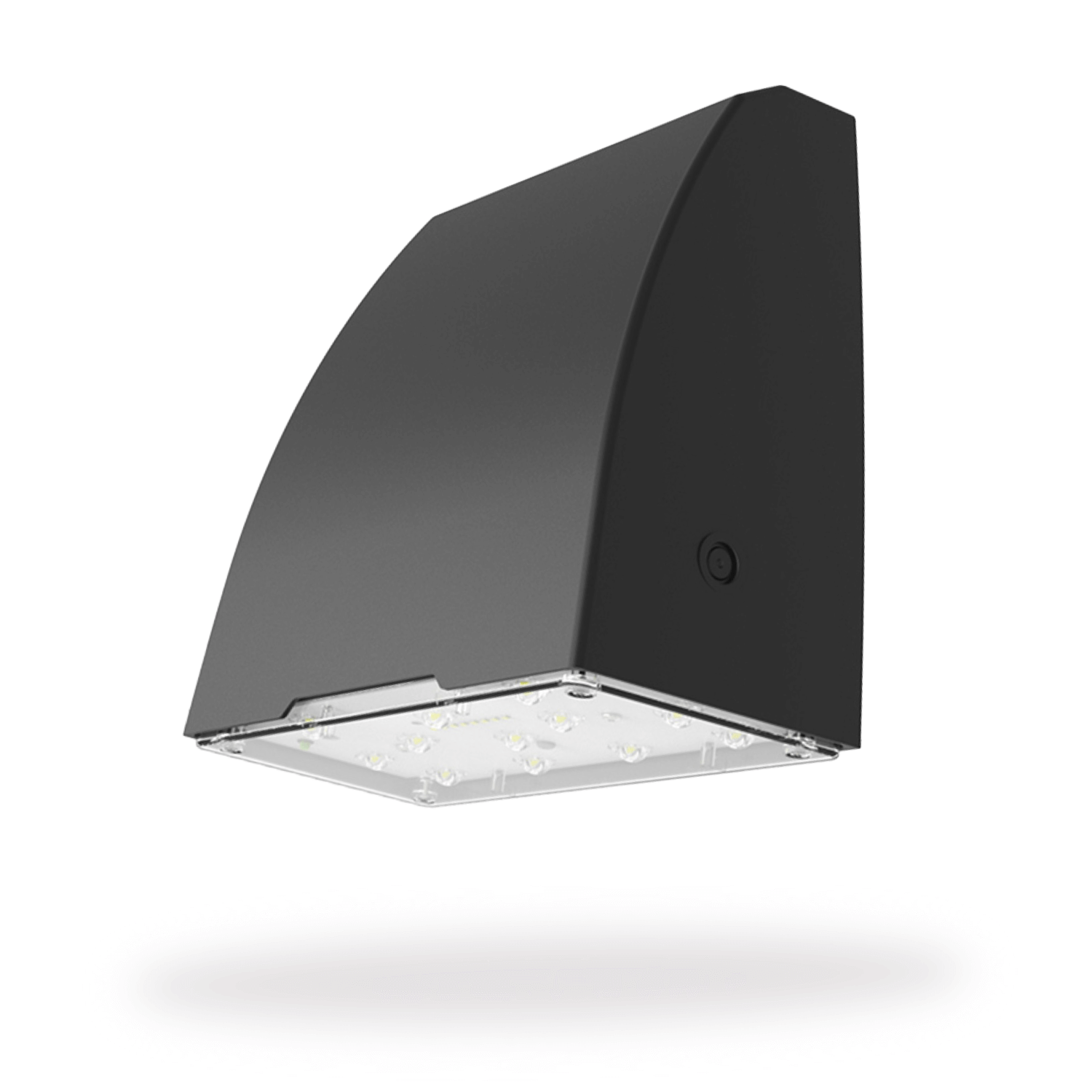
A key element of the design was the repurposing of existing two-wire external lighting circuits. Rather than undertaking extensive excavation or rewiring works, the project utilised existing infrastructure to support permanently powered emergency lighting fittings.
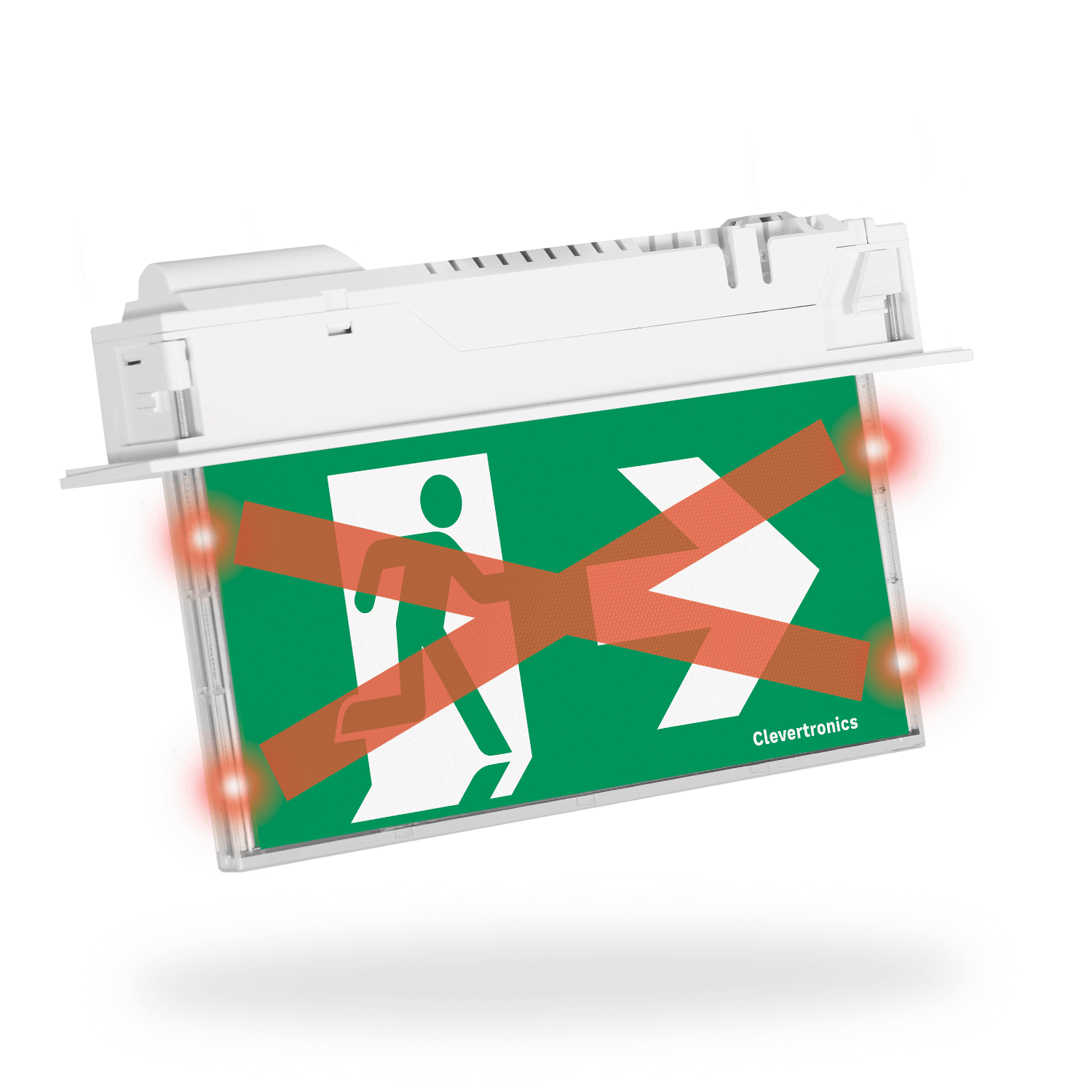
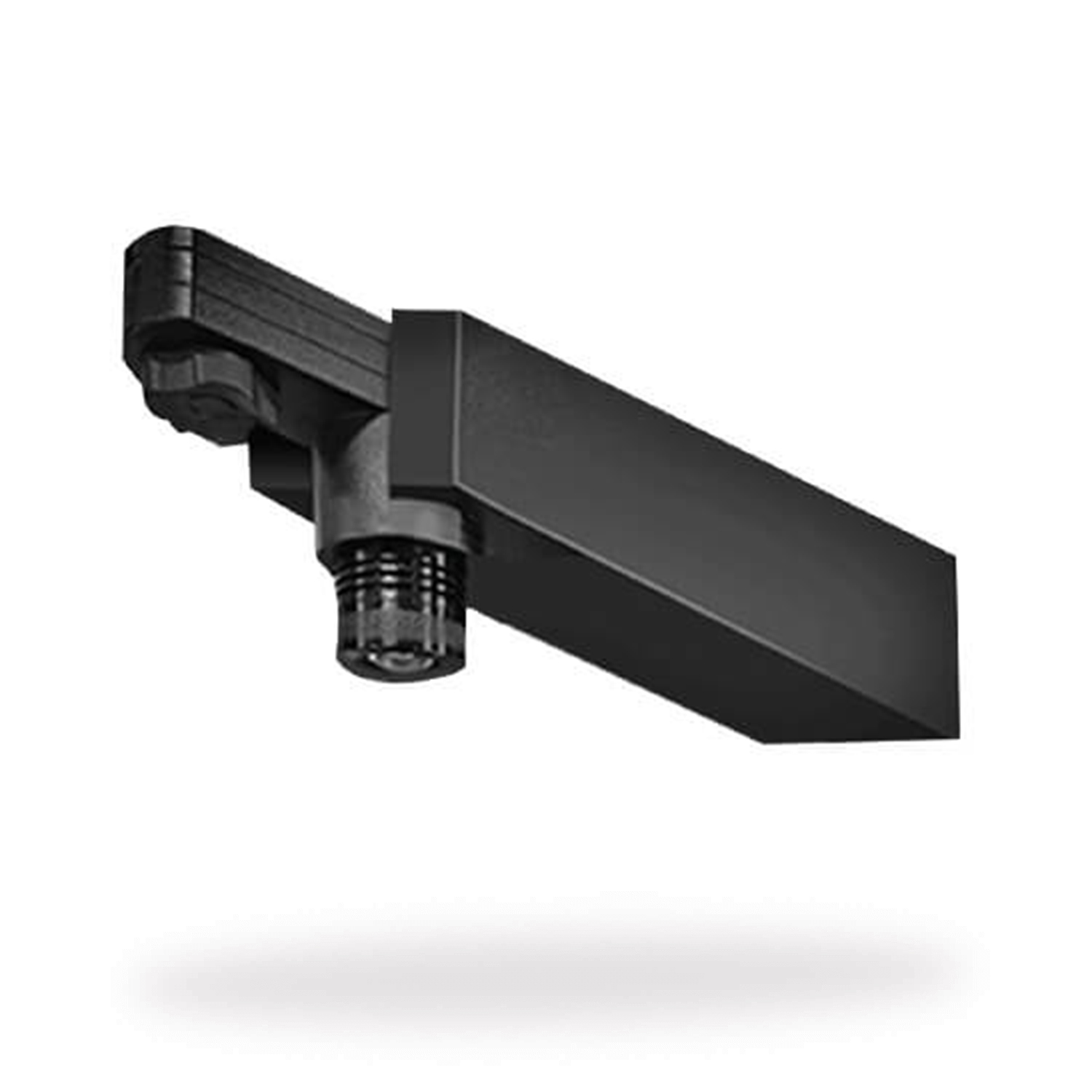
Wireless technology was incorporated to provide local switching functionality while also enabling site-wide evacuation control through integration with the fire alarm system. Automatic testing, centralised monitoring and simplified compliance reporting helped reduce the time and resources required to manage the emergency lighting system.
This approach preserved historically sensitive areas of the site while avoiding the cost and disruption associated with excavation and reinstatement works.
The Result
The completed installation provides Shrewsbury Library with a modern emergency lighting solution that is easier to manage and better aligned with current compliance requirements.
Through automatic testing and centralised monitoring, the system reduces reliance on manual inspection routines and key personnel. Facilities teams now benefit from improved oversight of the emergency lighting estate, while automated reporting helps simplify record keeping and compliance management activities.
The project also delivered long-term operational benefits through reduced maintenance requirements and the confidence provided by a 10-year manufacturer’s warranty.
Most importantly, the library now has an integrated emergency lighting and evacuation solution that supports safe building operation while respecting the constraints of a heritage environment.